


The CEO of a
bitcoin exchange has been arrested on charges of selling bitcoins to be
used to buy and sell illegal drugs anonymously.
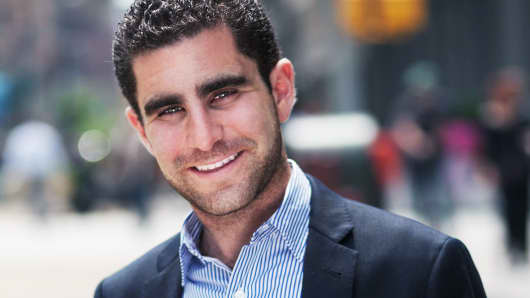
Charlie Shrem, the 24-year-old CEO of BitInstant, along with Robert M. Faiella, a 52-year-old bitcoin broker and user of Silk Road, were both arrested according to a federal criminal complaint from the Southern District of New York.
According to the complaint, both men are accused of participating in a scheme to sell more than $1 million in Bitcoins to users of "Silk Road," the underground website that allowed people to anonymously buy and sell illegal drugs.
Shrem would change cash to bitcoins for Faiella, who was running an underground bitcoin exchange under the name BTCKing on Silk Road's website, which was shut down about four months ago.
In addition to money laundering, Shrem is also charged with failing to file any suspicious activity regarding Faiella's illegal transactions, which the Department of Justice said is in violation of the Bank Secrecy Act.
It was also noted in the complaint that Shrem used Silk Road himself to purchase drugs, including marijuana brownies.
(Read more: CNBC Explains: How to mine bitcoin on a budget)
"The charges announced today depict law enforcement's commitment to identifying those who promote the sale of illegal drugs throughout the world. Hiding behind their computers, both defendants are charged with knowingly contributing to and facilitating anonymous drug sales, earning substantial profits along the way," said James J. Hunt, the Drug Enforcement Administration acting special agent in charge of the case, in the compaint.
BitInstant's backers include Tyler and Cameron Winklevoss, who have a number of investments in bitcoin start-ups.
"When we invested in BitInstant in the fall of 2012, its management made a commitment to us that they would abide by all applicable laws—including money laundering laws—and we expected nothing less," the Winkelvoss twins said in a statement.
"Although BitInstant is not named in today's indictment of Charlie Shrem, we are obviously deeply concerned about his arrest," they said. "We were passive investors in BitInstant and will do everything we can to help law enforcement officials."
Charlie Shrem, the 24-year-old CEO of BitInstant, along with Robert M. Faiella, a 52-year-old bitcoin broker and user of Silk Road, were both arrested according to a federal criminal complaint from the Southern District of New York.
According to the complaint, both men are accused of participating in a scheme to sell more than $1 million in Bitcoins to users of "Silk Road," the underground website that allowed people to anonymously buy and sell illegal drugs.
Shrem would change cash to bitcoins for Faiella, who was running an underground bitcoin exchange under the name BTCKing on Silk Road's website, which was shut down about four months ago.
In addition to money laundering, Shrem is also charged with failing to file any suspicious activity regarding Faiella's illegal transactions, which the Department of Justice said is in violation of the Bank Secrecy Act.
It was also noted in the complaint that Shrem used Silk Road himself to purchase drugs, including marijuana brownies.
(Read more: CNBC Explains: How to mine bitcoin on a budget)
"The charges announced today depict law enforcement's commitment to identifying those who promote the sale of illegal drugs throughout the world. Hiding behind their computers, both defendants are charged with knowingly contributing to and facilitating anonymous drug sales, earning substantial profits along the way," said James J. Hunt, the Drug Enforcement Administration acting special agent in charge of the case, in the compaint.
BitInstant's backers include Tyler and Cameron Winklevoss, who have a number of investments in bitcoin start-ups.
"When we invested in BitInstant in the fall of 2012, its management made a commitment to us that they would abide by all applicable laws—including money laundering laws—and we expected nothing less," the Winkelvoss twins said in a statement.
"Although BitInstant is not named in today's indictment of Charlie Shrem, we are obviously deeply concerned about his arrest," they said. "We were passive investors in BitInstant and will do everything we can to help law enforcement officials."
Source: Wikipedia
Charlie Shrem
Shrem
is listed as a board member of the Bitcoin Foundation, which is an
organization that works to standardize and promote the use of bitcoins.
BitInstant's website is currently down.
(Read more: New York state to mull bitcoin licensing proposal)
Shrem was arrested Sunday at John F. Kennedy International Airport in New York and Faiella was arrested Monday at his home in Cape Coral, Fla.
CNBC reached out to Shrem's lawyer for comment, but has not yet received a response. And the Manhattan U.S. attorney's office does not yet have the name of Faiella's attorney.
BitInstant's website is currently down.
(Read more: New York state to mull bitcoin licensing proposal)
Shrem was arrested Sunday at John F. Kennedy International Airport in New York and Faiella was arrested Monday at his home in Cape Coral, Fla.
CNBC reached out to Shrem's lawyer for comment, but has not yet received a response. And the Manhattan U.S. attorney's office does not yet have the name of Faiella's attorney.






 Postingan

